
Why do glute workouts alone
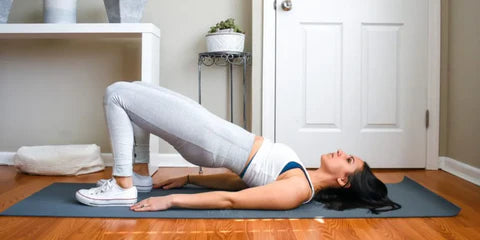
often lead to a plateau?
🏋️♀️Short Answer:
Your glutes stop responding!

The science behind why you’re not seeing the lift you deserve
- 🍑 Shallow Muscle Activation: Deep glutes stay underworked
- 🔁 Muscle Adaptation: Same moves, weaker results
- ⚡Weak Signals: Brain-to-muscle connection fades over time
- 💪 Compensation: Your quads and lower back take over during training
- 💧 Poor Blood Circulation: Slower recovery, even slower results
You've already done your best
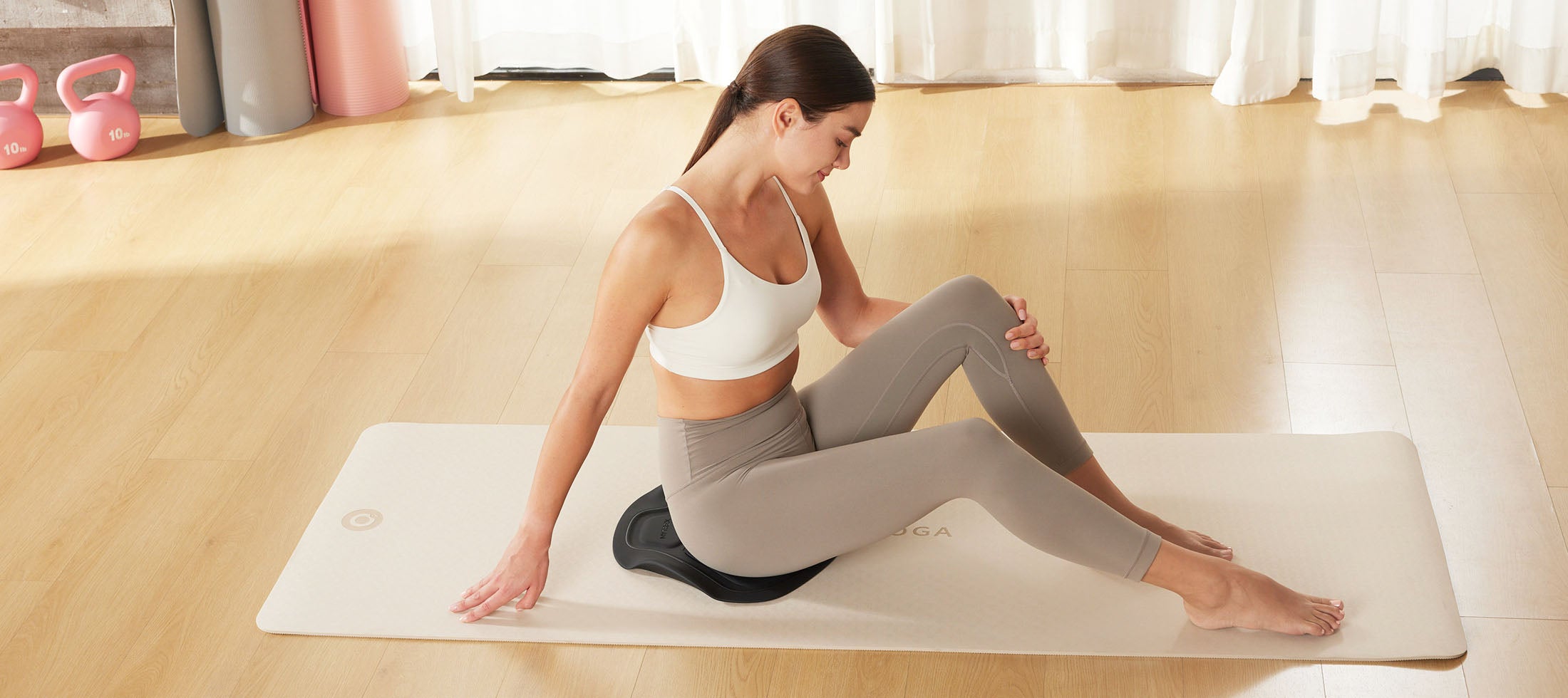
now let EMS do the rest!

Researches also show that EMS efficiently recruits both superficial and deep muscle fibers, improving circulation and delivering measurable strength gains within 2–4 weeks of consistent use.*
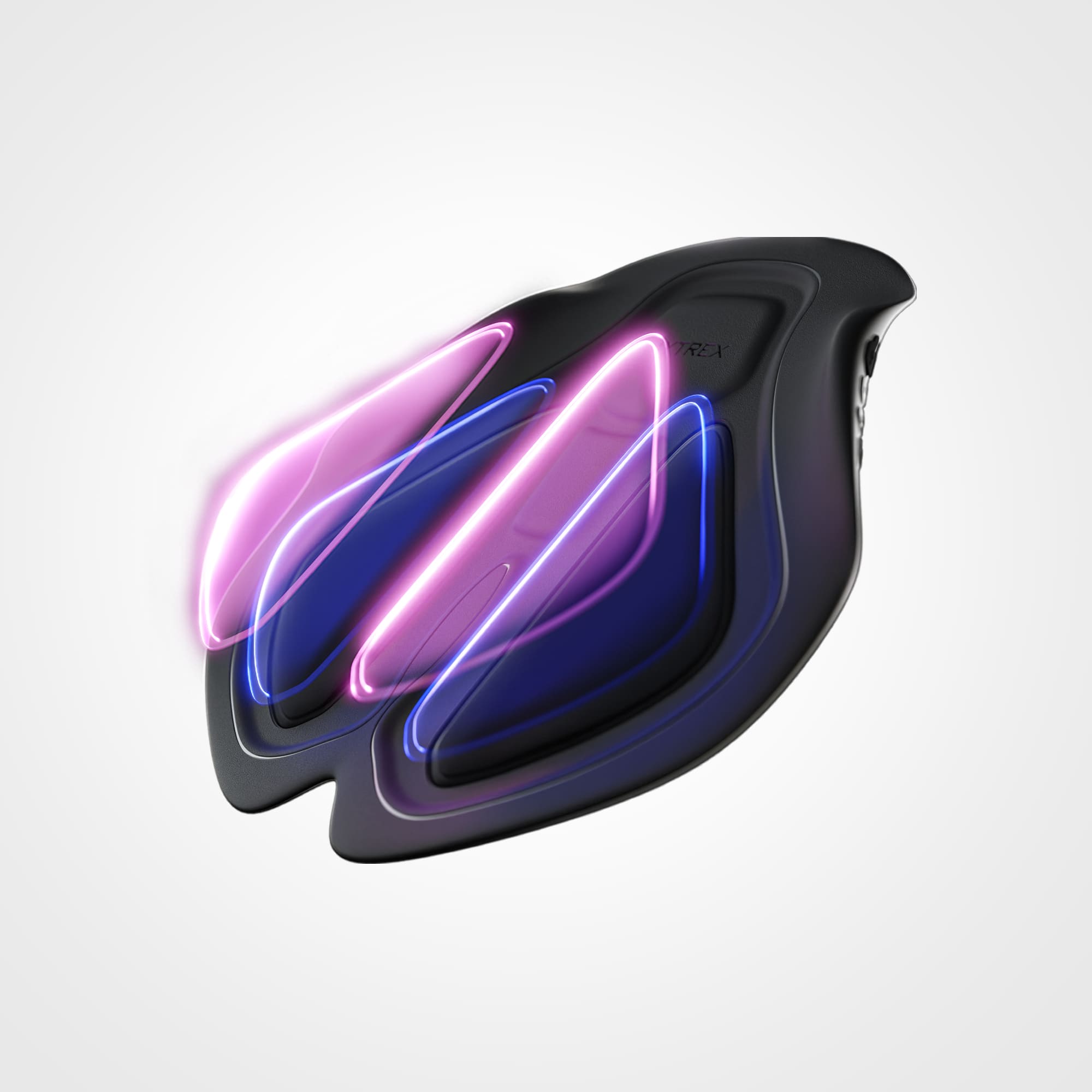



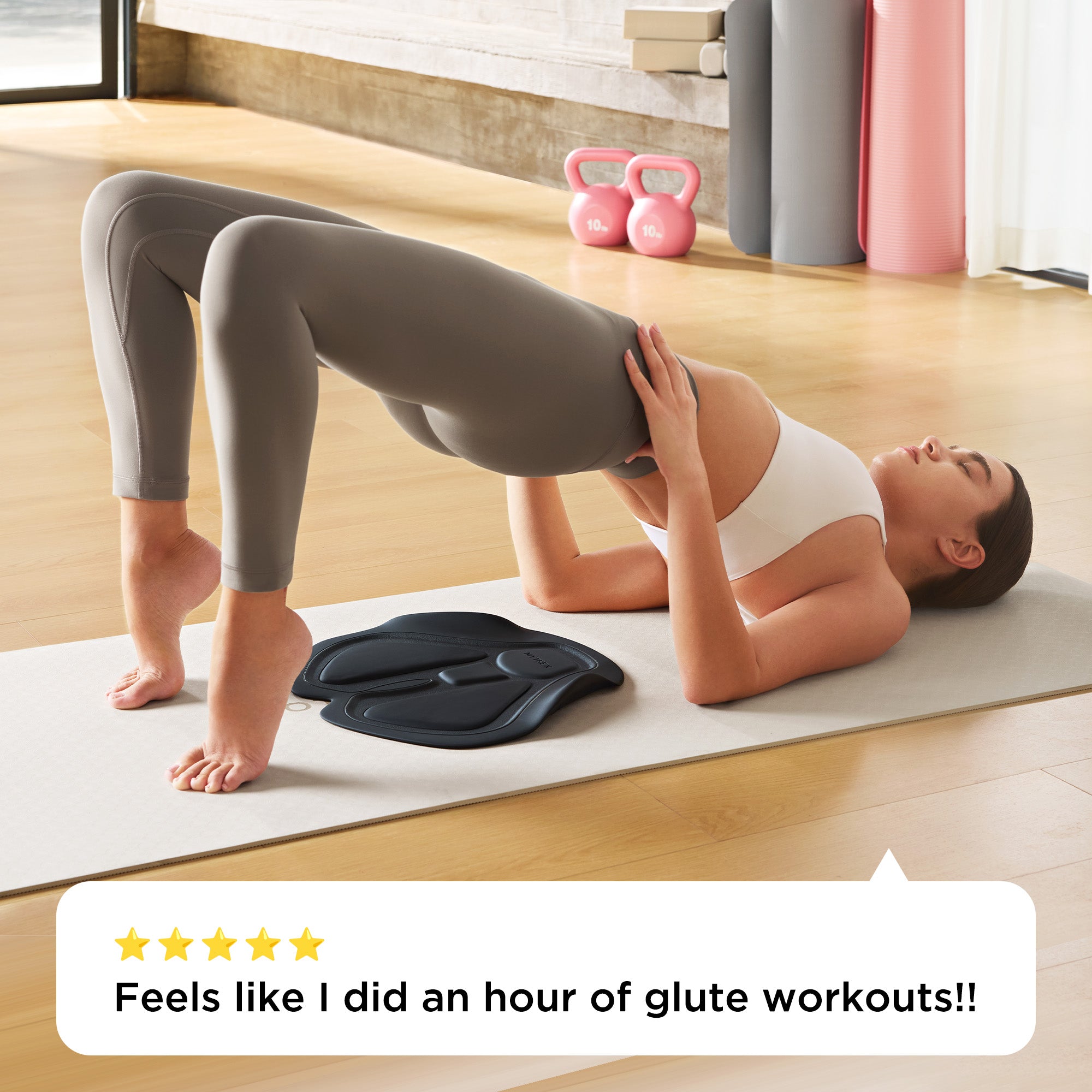
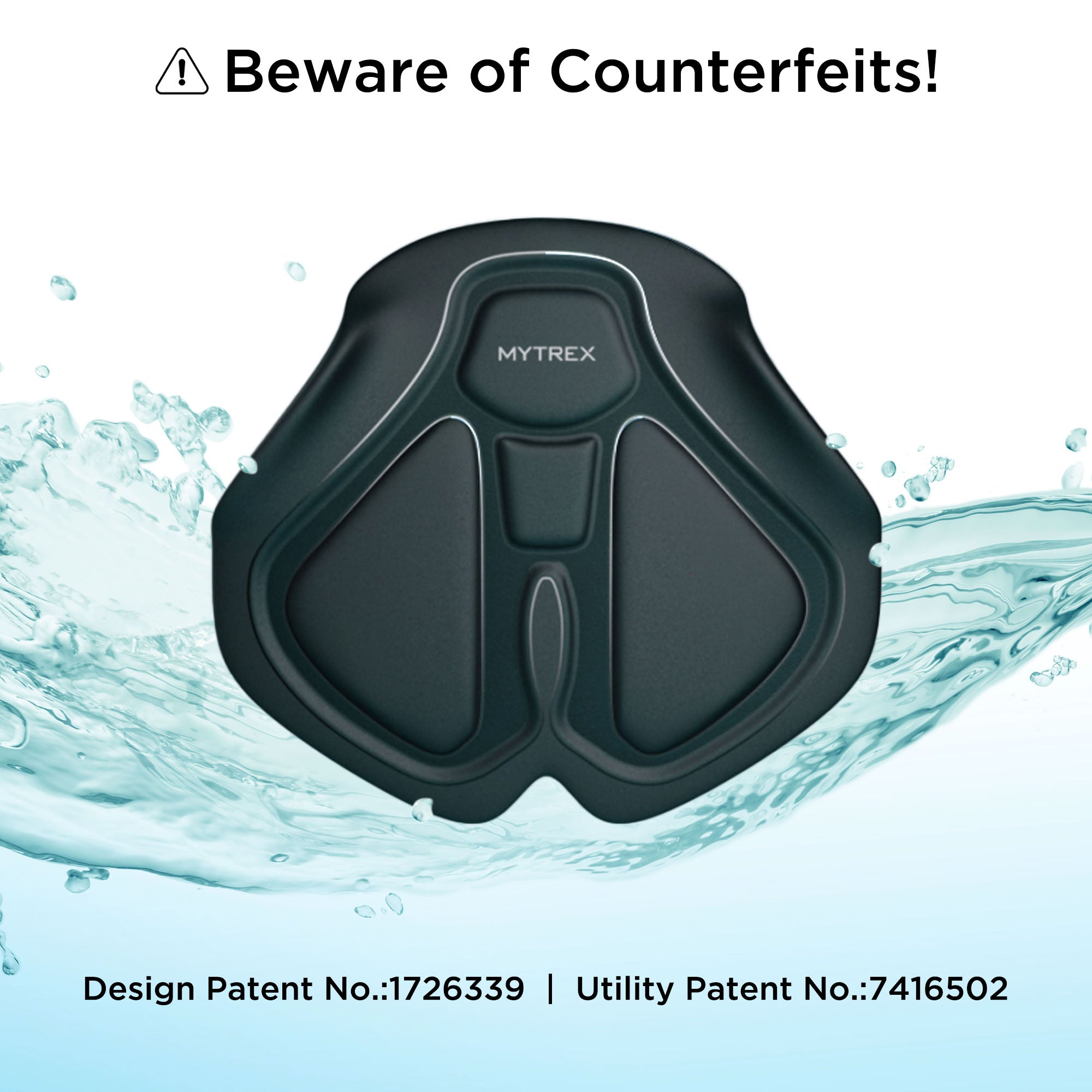
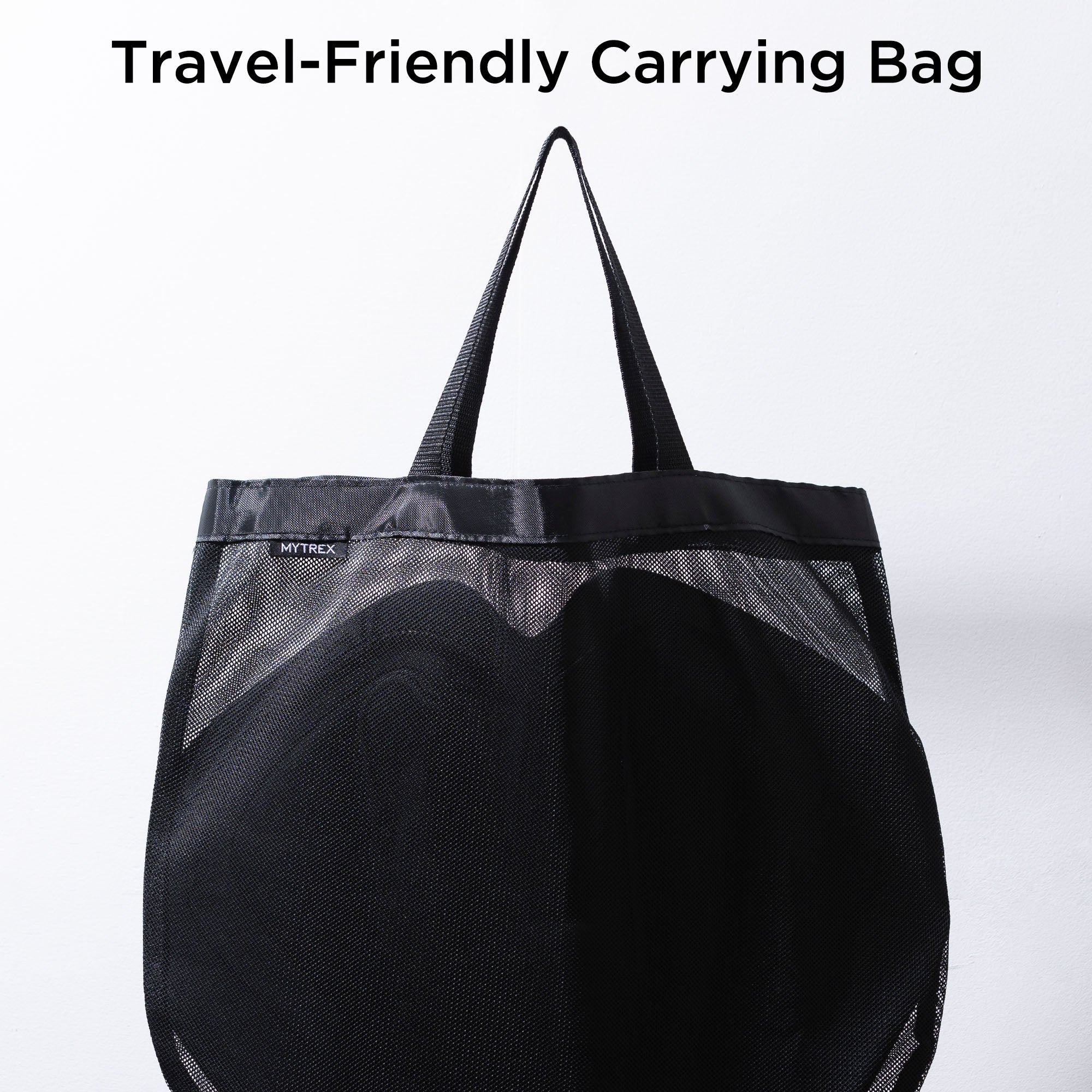
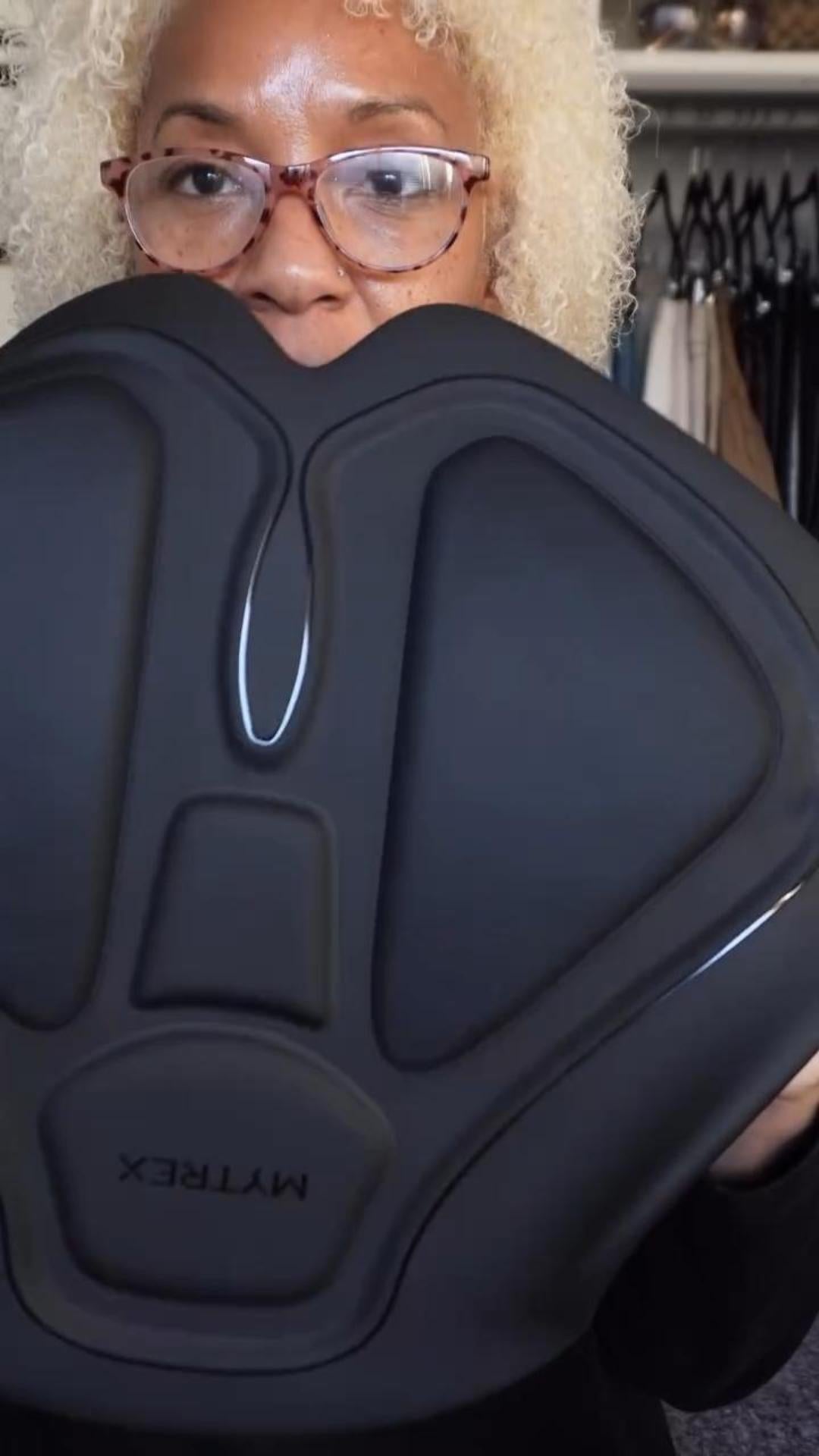
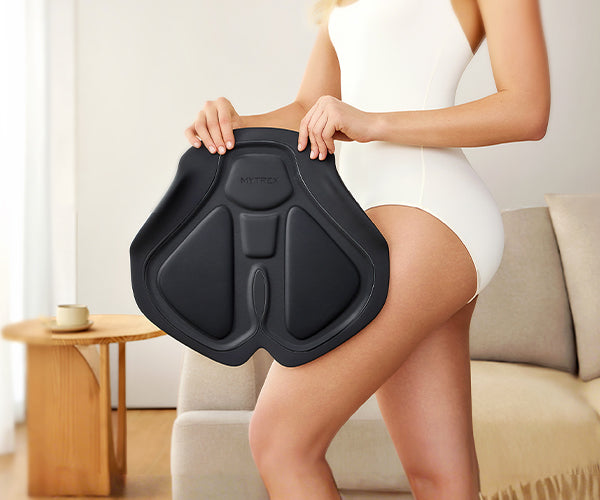
Aqua Lift EMS Booty Trainer
- Get Sculpted Without Sweating– Effortlessly tone, lift, and sculpt your glutes with thousands of electrical pulses in every session
- Train Smarter – Targets deep gluteal muscles to fight sagging, boost muscle definition, and sustain your workout results
- Customizable Intensity – 20 adjustable EMS levels for personalized glute training
- No Extra Gym Time – Sculpt your booty while you relax, scroll, read, multitask, or recover post-workout
- Built to Keep Up – Lasts up to 2 months on a single charge for consistent glute lifting and toning
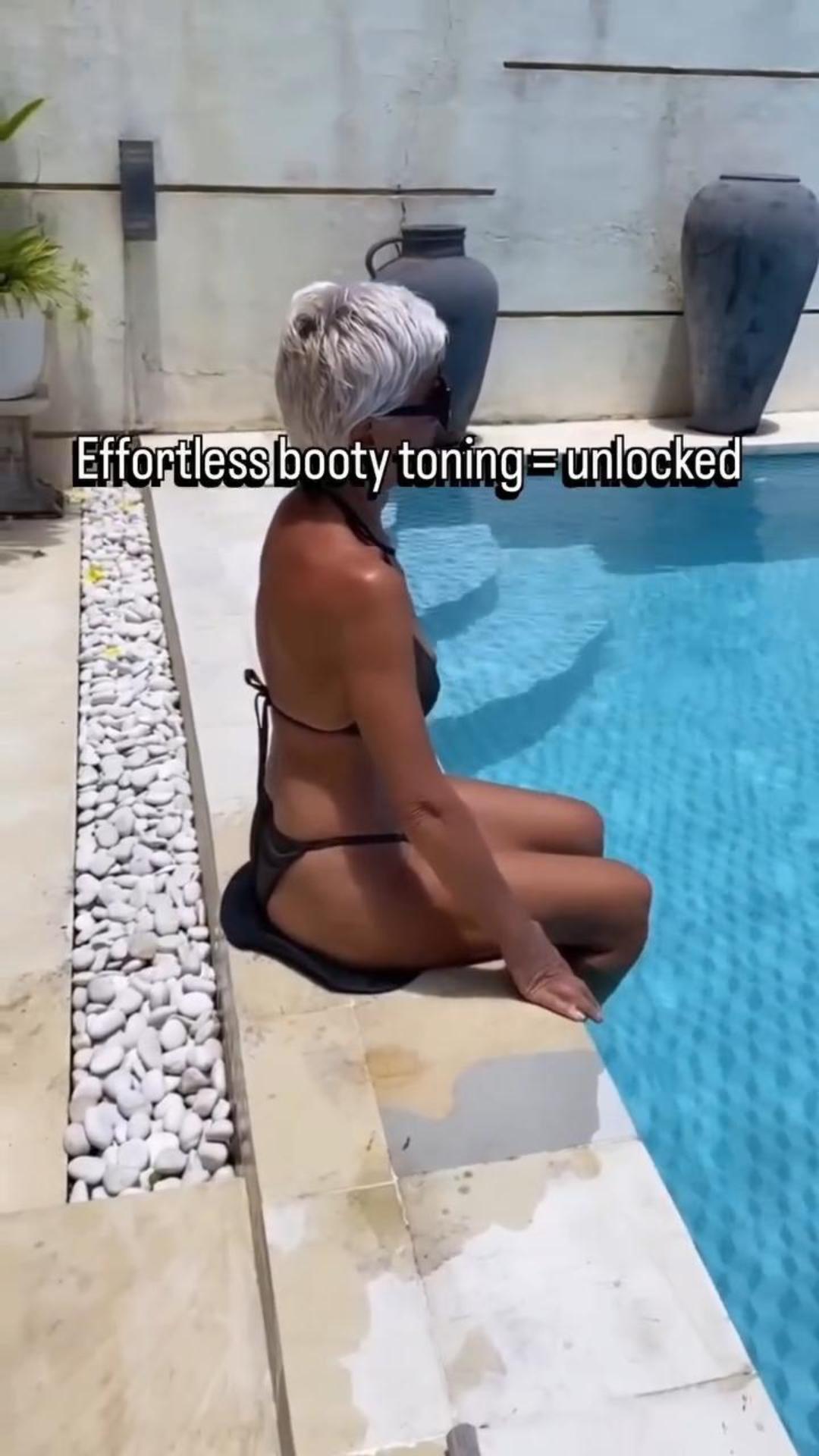
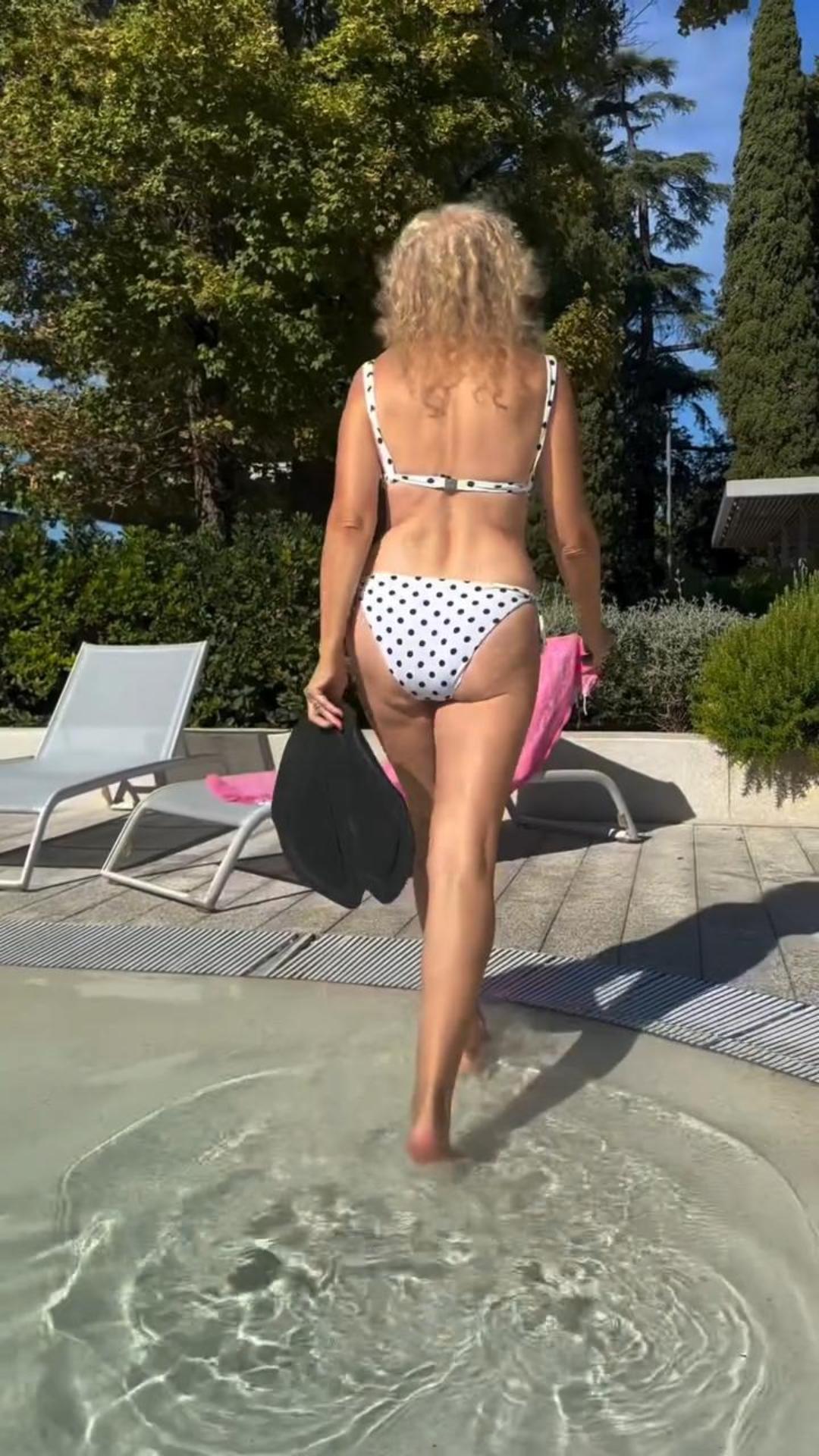
Loved By People Like You!


How does Aqua Lift compare to traditional glute workouts?
Muscle Activation
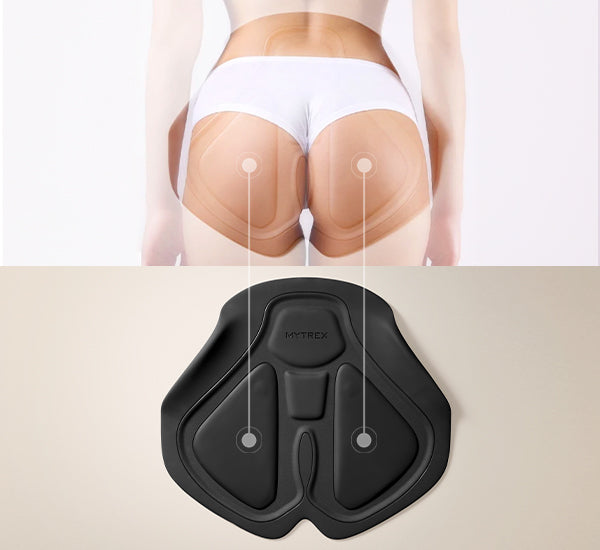
During normal glute exercises, your brain recruits muscle fibers gradually and rarely activates them all simultaneously. EMS pulses, on the other hand, bypass the brain’s limit and stimulate both shallow and deep muscle layers at once.
💪🍑Comparison:
⚡ EMS Glute Toning — up to 90% muscle activation
🏋️♀️Traditional Workout — 30–40% muscle activation
Time Investment
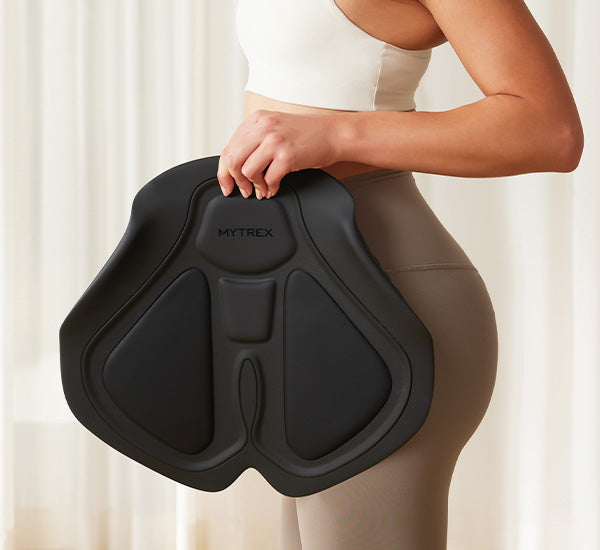
Traditional training often requires 45–60 minutes per session, 3-5x per week, with results showing only after 6–8 months of correct, consistent training.
In contrast, the Aqua Lift delivers visible lift and tone in just 2–4 weeks with only 15 minutes per session —no gym, no extra equipment, no effort or pain, no guesswork. Less time, faster results.
🍑Aqua Lift Features:
- 20 EMS Levels, glute training for everybody
- Easy setup and maintenance, no gel required
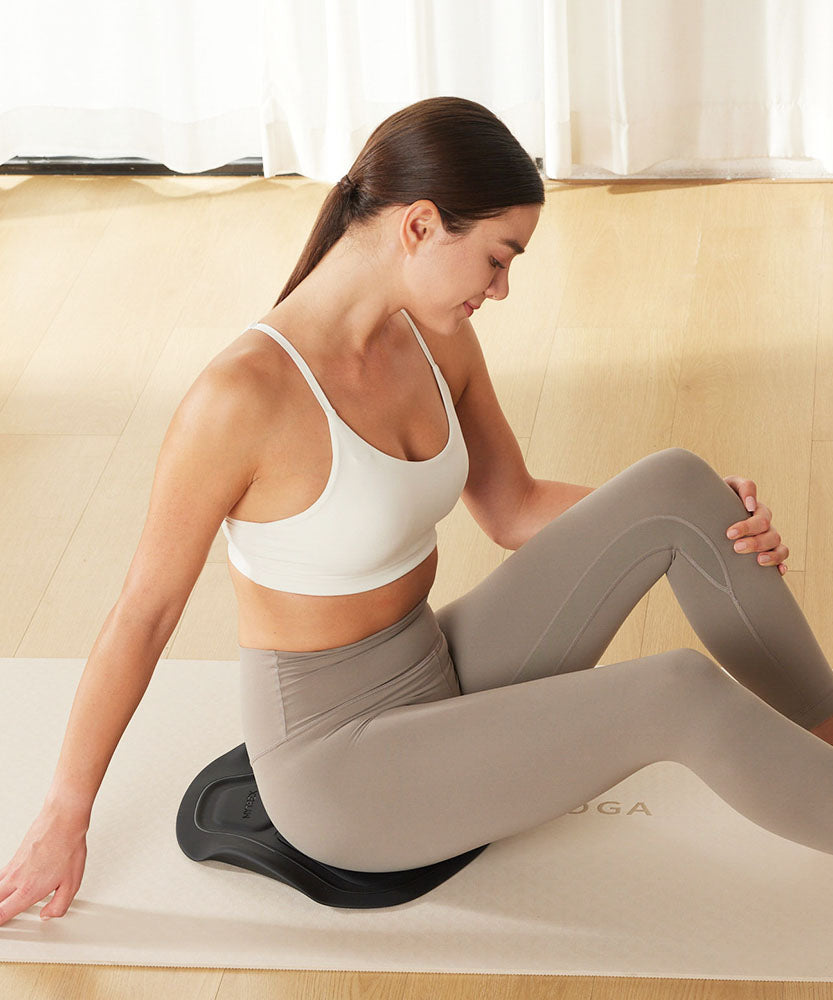
Impact & Recovery
Traditional Training: Heavy squats, deadlifts and lunges work your glutes but also put a lot of strain on your joints.
This often leads to muscle soreness that can last up to 72 hours—and can even dampen your gym motivation.
Aqua Lift: Gentle, adjustable EMS pulses lift and sculpt your glutes with minimal joint impact. Recovery is faster, which usually takes just 12–24 hours, so you can train more frequently, stay consistent, and see results sooner.
🍑Aqua Lift Features:
- With a 15-minute auto-off timer, you won't risk overtraining
Visible Lift. Real Results.
*Images show results from a woman aged 30+ before and after using Aqua Lift for 3 weeks, 15 minutes per day. Individual results may vary.

After

Before
So, how do you use Aqua Lift to get that booty?
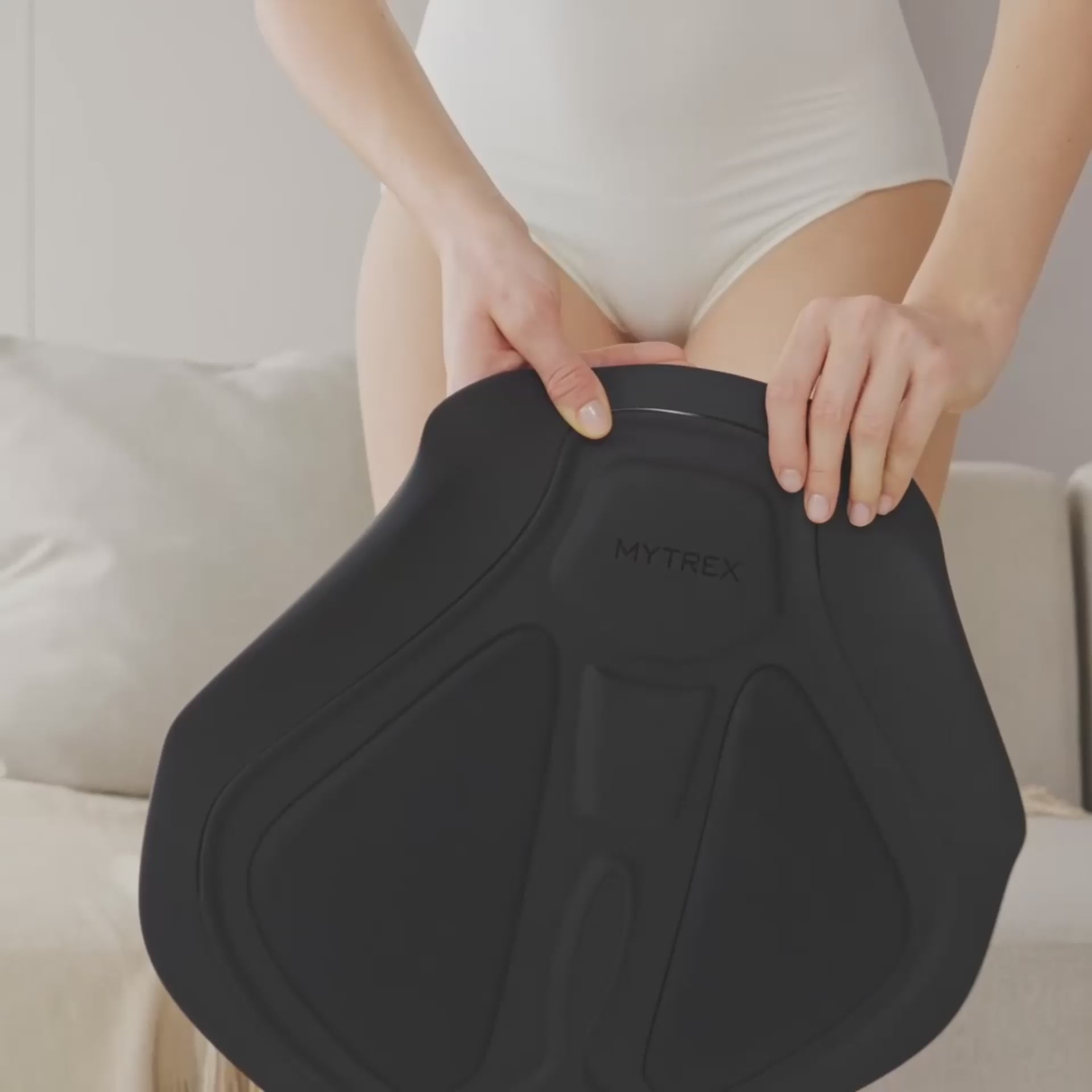
Step 1: Position the Device
Lay the Aqua Lift on a flat, firm surface.
👉 Got a bathtub? You can also enjoy glute lifting while taking a bath.
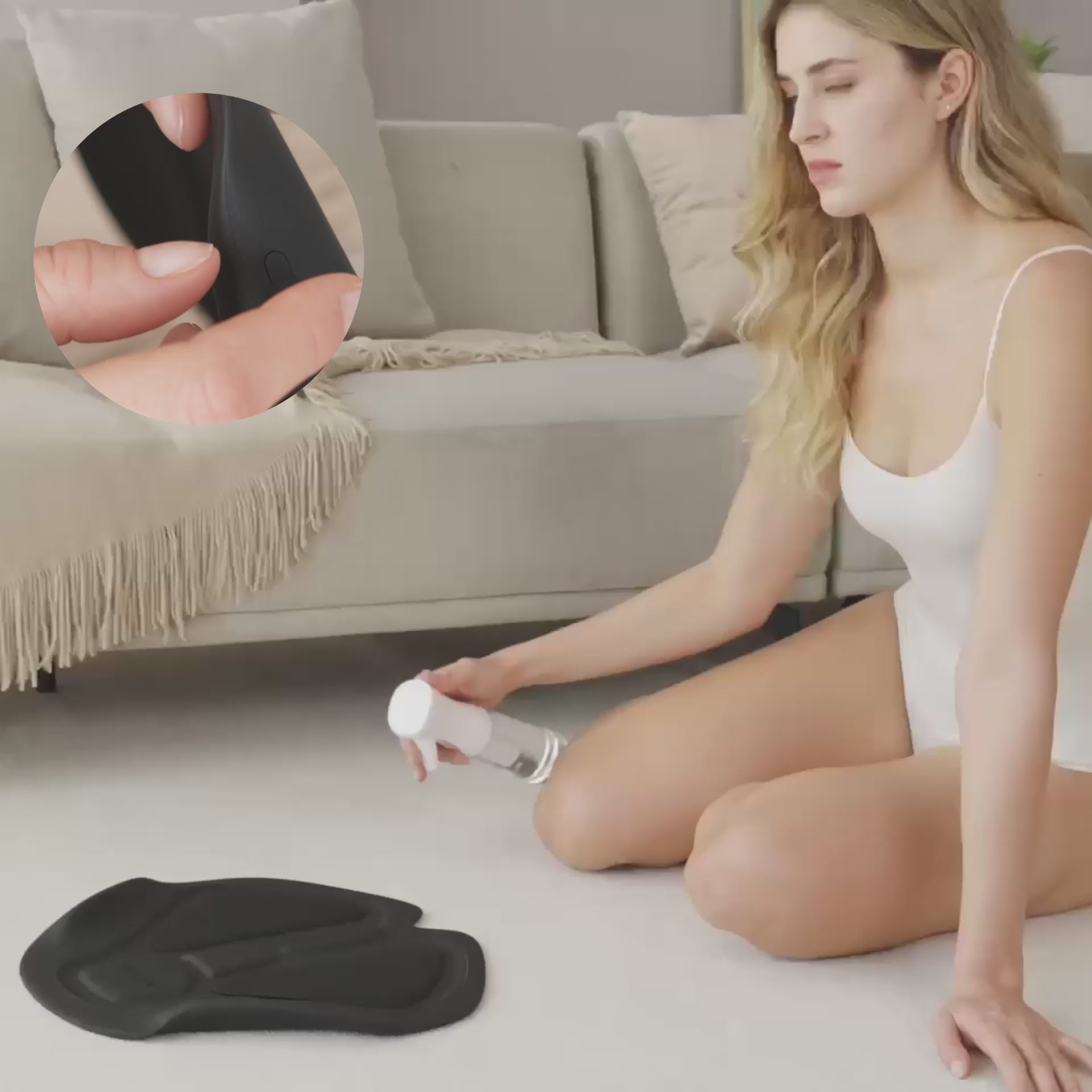
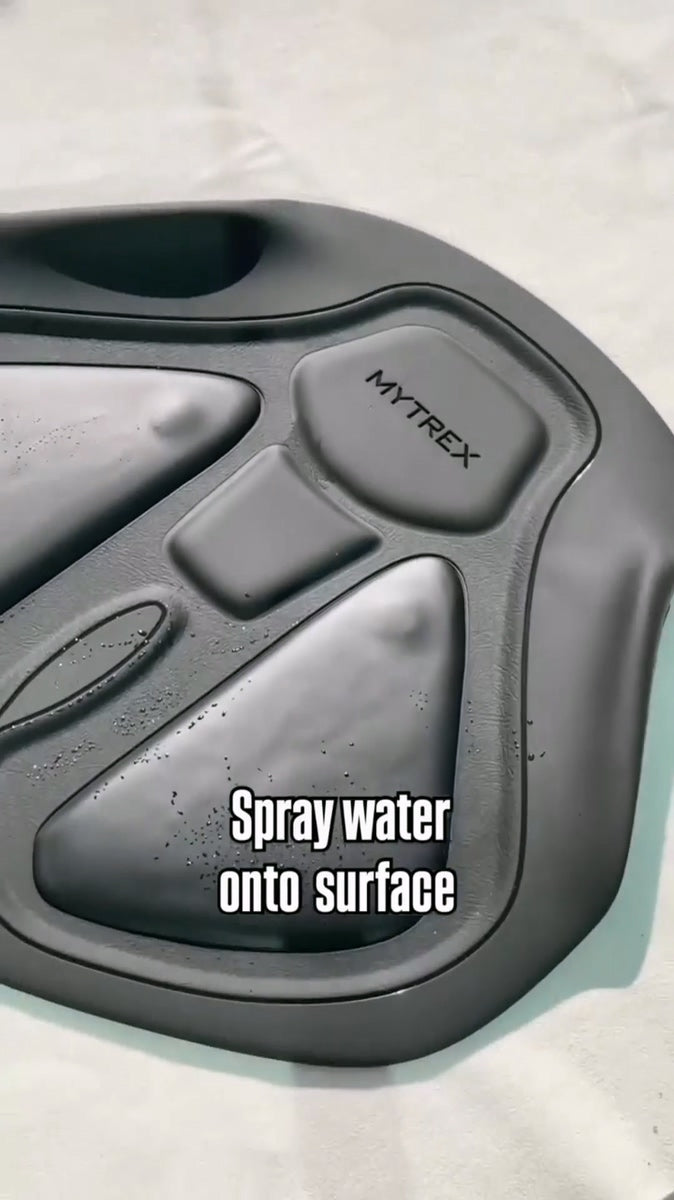
Step 2: Add Water
Splash or spray some water on the surface of the device.
*Ensure that the charging port has been properly sealed.
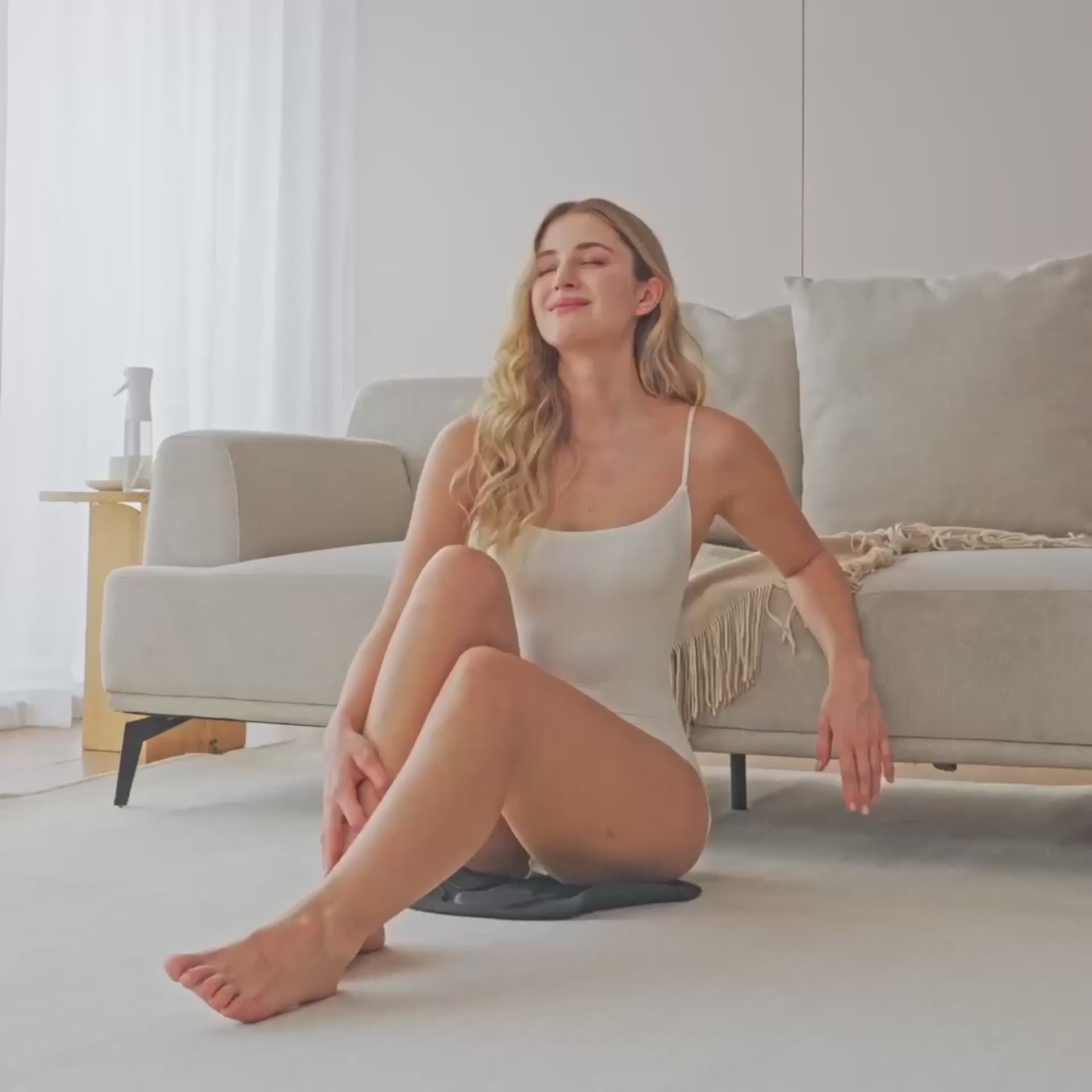
Step 3: Align & Activate
Sit with your buttocks evenly on the conductive pads, then press and hold the Power button for 2 seconds to start at EMS level 1. Adjust intensity with “+” or “-”.
*Please use on bare skin.
Why should you choose Aqua Lift over EMS training pads?


*Based on in-house studies conducted from May to June 2023 among men and women aged 20–50 (n = 19, n = 43).
*Results may vary by individual.
Take back those dreamy curves now!
A lifted, sculpted booty comes easier with smarter, more targeted training. The Aqua Lift EMS Booty Trainer uses advanced low-frequency EMS technology to tone, firm, and lift your glutes.
With 20 adjustable intensity levels and a waterproof design, it’s your go-to solution for effortless glute sculpting at home or while traveling.
✅ 15-minute timer for safe, effective use
✅ 20 EMS levels for customized glute training
✅ Waterproof & rechargeable design for easy, anytime sessions
FAQs
Does EMS hurt? What does it feel like?
1. No, it does not hurt. EMS technology has long been used in the medical field and is well-received among both patients and athletes.
2. EMS creates an enjoyable tingling sensation that, at higher intensities, triggers involuntary muscle contractions.
3. The EMS pulses are adjustable across 20 intensity levels so that you can customize the experience to your comfort.
*First-time users should start at a lower intensity.
How does it compare to a traditional EMS training pad?
1. More powerful EMS pulses and larger coverage.
2. Deeper and wider gluteal muscle stimulation.
3. No need to use a conductive gel.
4. Waterproof. Safe for use in the bathtub.
How exactly does it grow my butt?
The Aqua Lift sends electrical pulses to your gluteal muscles, triggering muscle contractions similar to those during a workout. These repetitive contractions help strengthen and tone your glutes over time, resulting in a firmer, rounder, and more lifted shape.
How often should I use it?
For best results, we recommend using the Aqua Lift EMS Booty Trainer at least 4-5 times per week, each lasting 15 minutes.
How soon will I see results?
Results may vary depending on the individual physique. Most users notice an improvement in their glute muscle strength and firmness after 3 weeks of consistent use.
Can I use it before my glute workout?
Yes, you absolutely can! Using this EMS booty trainer before hitting the gym can be a fantastic addition to your pre-workout routine. It will enhance the mind-to-muscle connection, helping you get the most out of your glute workout too.
Is there an English version of the manual for AQUA LIFT?
Yes, if you only receive a Japanese version of the manual, please find the English version here: AQUA LIFT English manual.
Who should not use this device?
Do not use this device if you:
- Individuals with skin diseases such as atropine dermatitis, eczema, etc.
- Individuals with sensitive constitution, especially those with sensitive skin.
- Pregnant, lactating, or menstruating women.
- Individuals with autoimmune diseases.
- Individuals with endometritis and uterine fibroids.
- Individuals who have skin problems and disorders due to silicon-containing products.
- Individuals with acute illnesses, infectious diseases, malignant tumors, or tuberculosis.
- Individuals with visceral diseases.
- Individuals with bone and joint diseases such as fractures and osteophytes.
- Individuals with neurological disorders and impaired skin sensation.
- Individuals who cannot operate independently, need to rest, or have limb disabilities.
- Individuals who have difficulty expressing themselves, are paralyzed, or have sensory
impairments. - Individuals with bleeding disorders, hemophilia, or other blood abnormalities.
- Individuals with hypertension.
- Individuals with heart disease or blood clots.
- Individuals with poor health.
- Individuals with metal objects implanted in their body, such as nails.
- Individuals with diseases in the area to be massaged, or those with existing medical records.
- Individuals who are intoxicated or extremely fatigued.
- Individuals taking hypnotic drugs.
- Individuals taking medication (such as anticoagulants) that make blood less likely to clot.
- Individuals advised by a doctor not to receive massage.
- Individuals undergoing treatment by a doctor.
- Individuals with a fever (38 degrees Celsius or higher).
- Children and infants should not use this product. Do not allow them to use it. Pets should not use it either.
Are there body areas I should avoid?
Yes. Do not use the device on:
- Areas that have undergone plastic surgery.
- Areas with skin conditions such as dermatitis or excessive sun exposure.
- Areas with pimples, wounds, eczema, swelling, or purulent diseases.
- Areas that are itchy or feel hot.
- Areas with swollen moles or viral warts.
- Upper body (above the heart), face, head, heart, and surrounding areas.
- Genital areas, mucous membranes, etc.
- Abdomen during menstruation.
- Areas that have undergone hair removal treatment on the same day.
- Areas with implanted metal, silicone, etc.
- Areas with tattoos.
*References:
1. Enoka, R.M. & Duchateau, J. (2015). “Involuntary versus voluntary activation of muscle: insights from electrical stimulation.” Journal of Applied Physiology.
2. Maffiuletti, N.A. (2010). “Physiological and methodological considerations for the use of neuromuscular electrical stimulation.” European Journal of Applied Physiology.


