
Do You Want to Feel Like Yourself Again After Giving Birth?
Yes, Train Pelvic Floor at Home
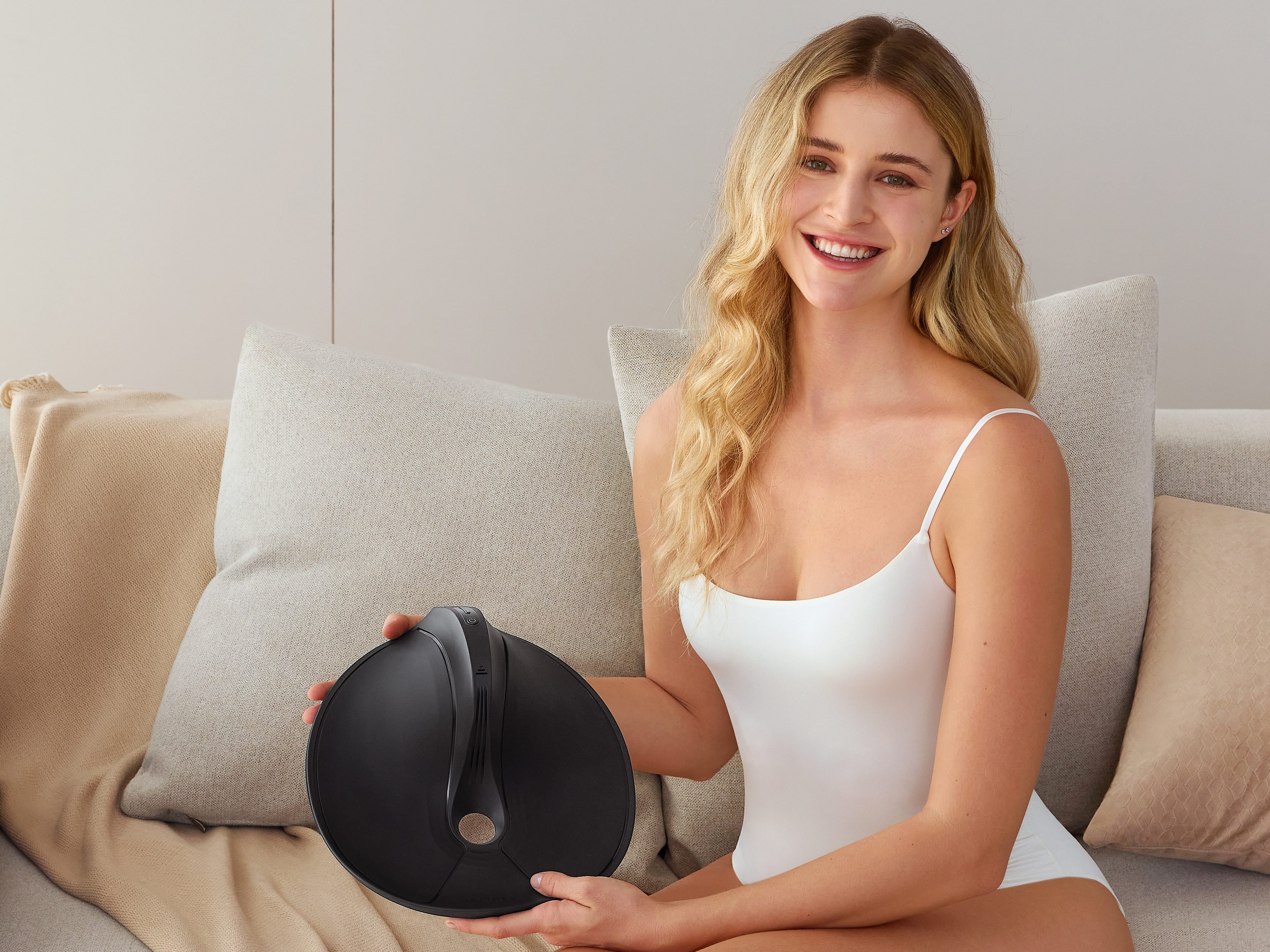
After Birth, Your Body Needs Aqua Qutto.
Aqua Qutto is a non-invasive EMS pelvic floor trainer designed to support your bladder, bowel, pelvic organs, and overall stability.
After pregnancy and delivery, many women experience changes they never expected:
✓ Small leaks when sneezing, laughing, or exercising
✓ Feeling less support in the pelvic area
✓ Difficulty reconnecting with pelvic muscles
✓ Reduced confidence during daily activities
Why Postpartum Recovery Needs Pelvic Floor Training
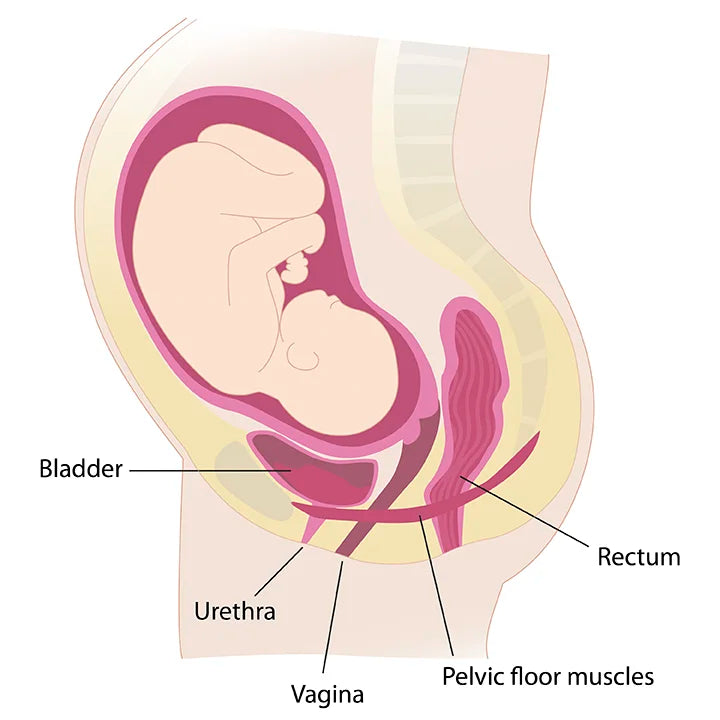
Baby's weight increases pressure on pelvic muscles.
Hormonal changes during pregnancy affect tissue flexibility.

Childbirth can stretch and weaken pelvic muscle function.
Strengthen Pelvic Floor with Aqua Qutto

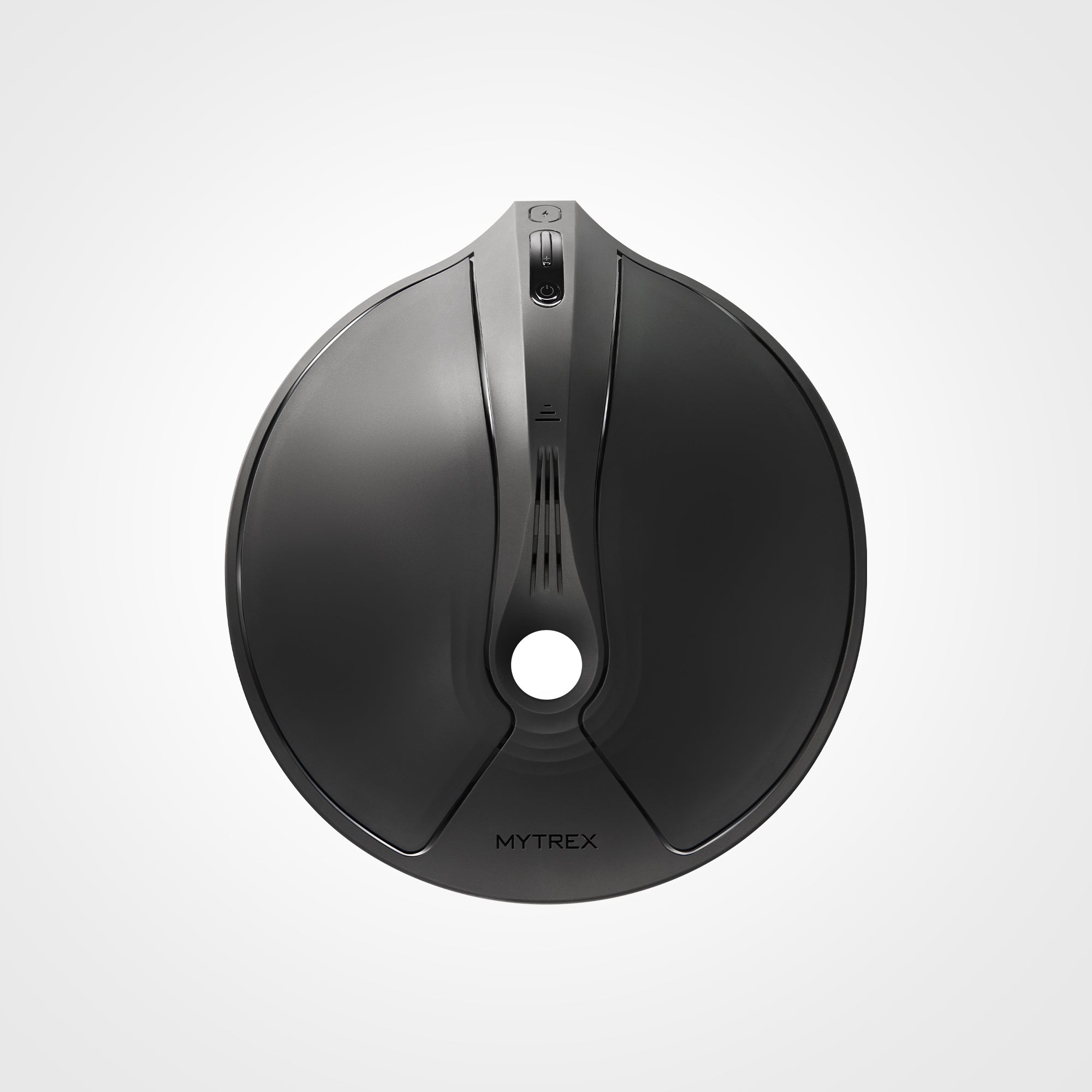



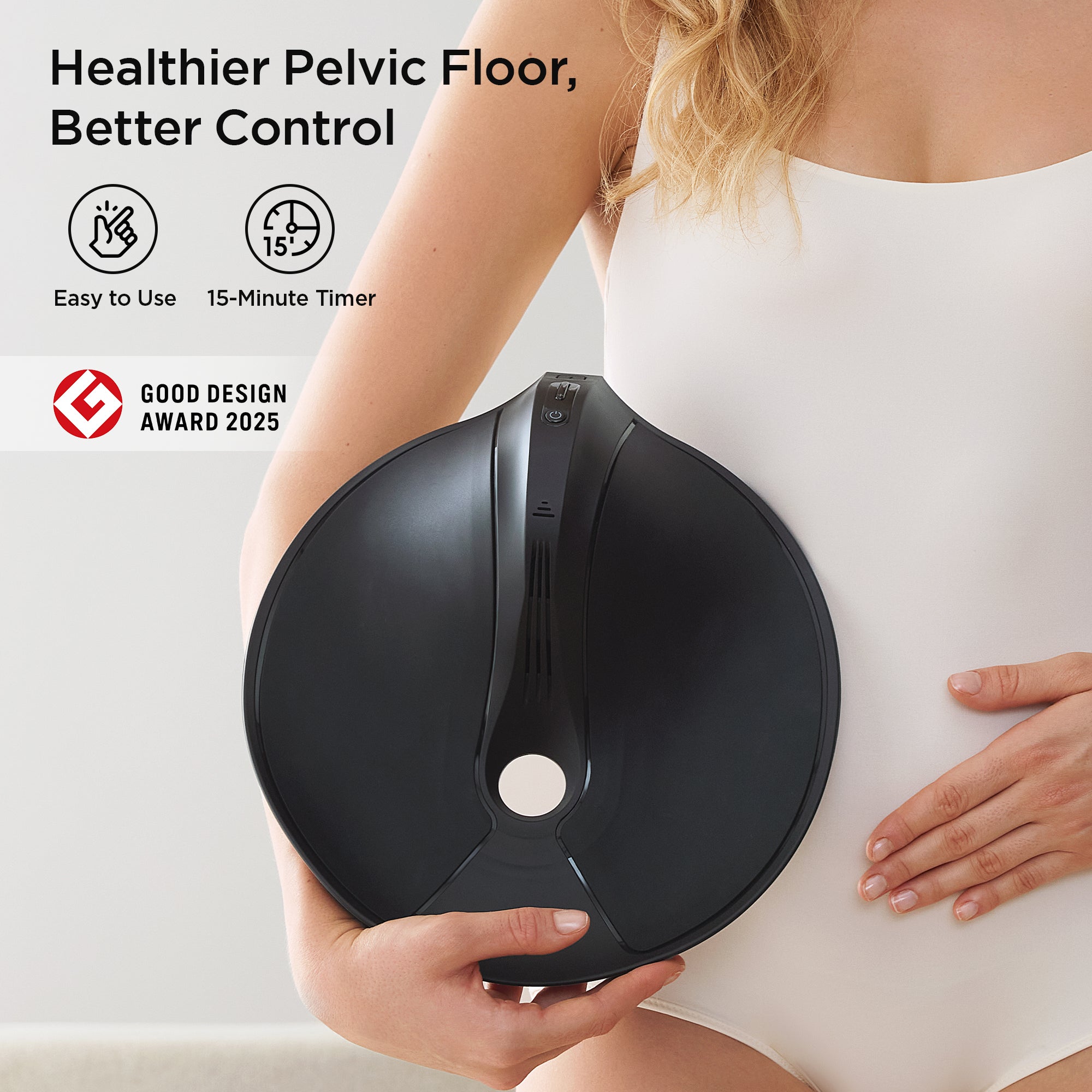
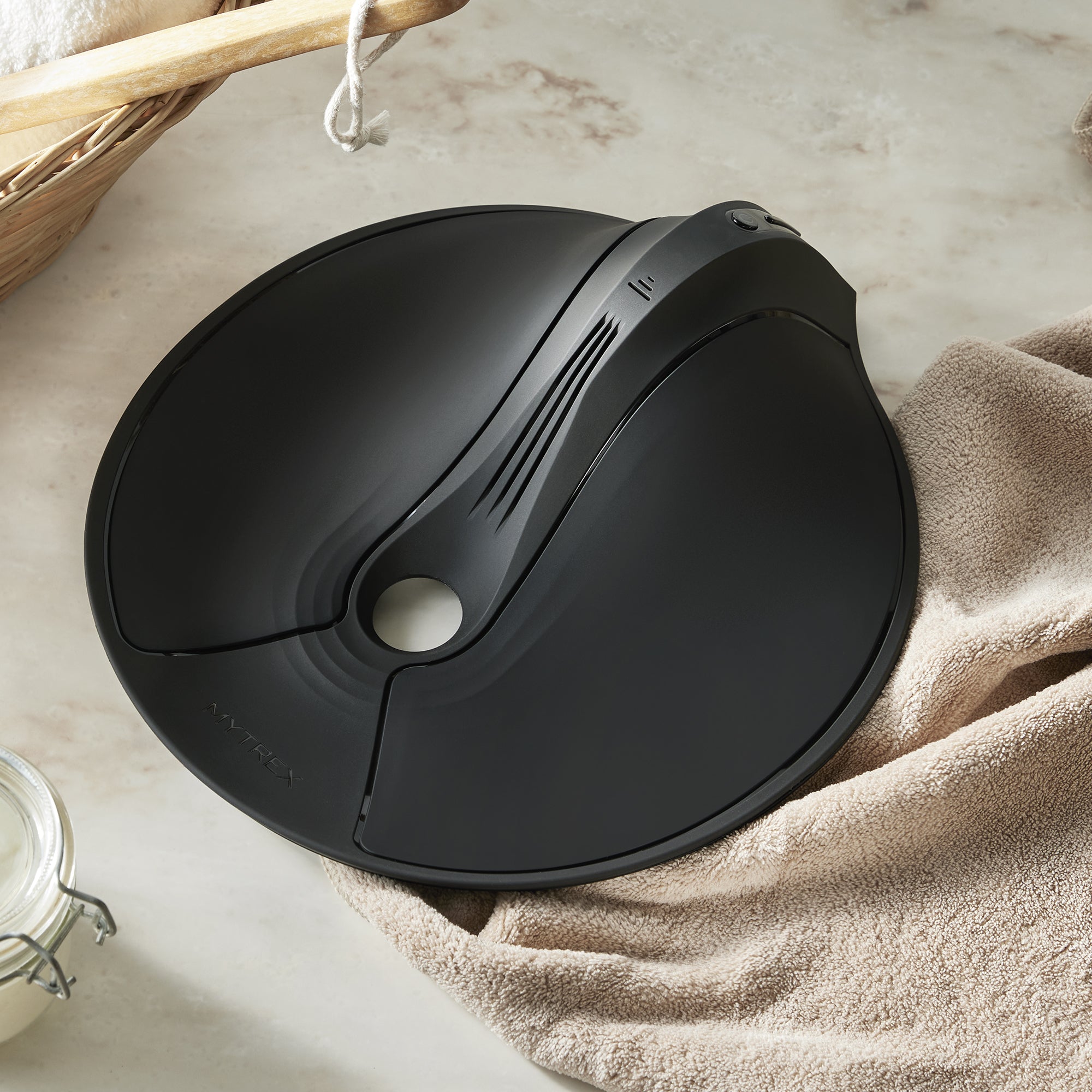
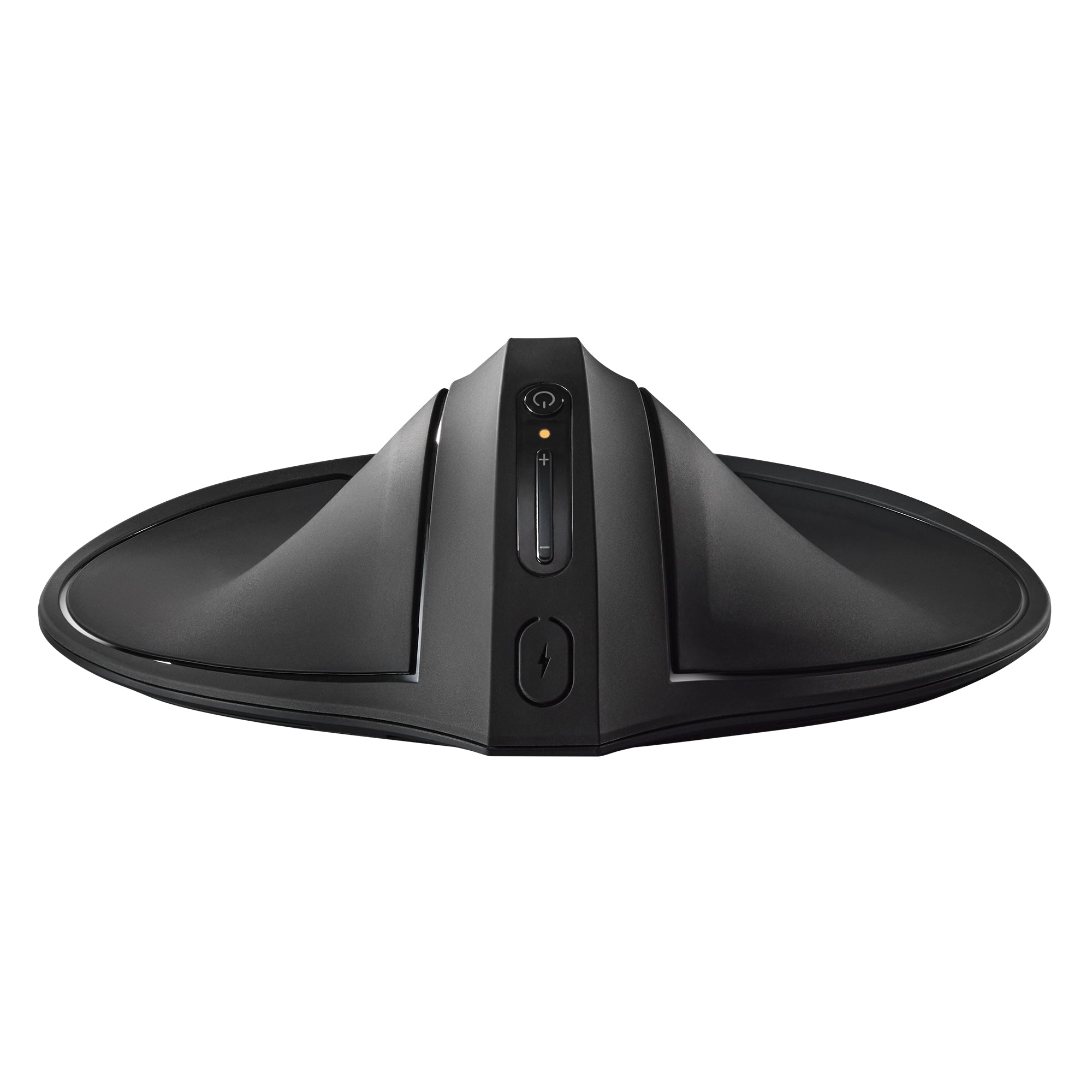
Aqua Qutto EMS External Pelvic Floor Trainer
- Hands-free, non-inserted pelvic floor training — just sit and let the device do the work
- Supports healthier bladder, bowel, and overall pelvic function with consistent use
- Helps with stress & urge incontinence, pelvic floor pain and prostate discomfort
- Improves core stability, sexual wellness, and posture confidence
- Strengthen weak pelvic muscles, relax tight, overactive ones and improve muscle coordination

50,000+ Happy Customers
Served worldwide
15 Minutes a Day
Hands-free EMS training session
Fast, Visible Results
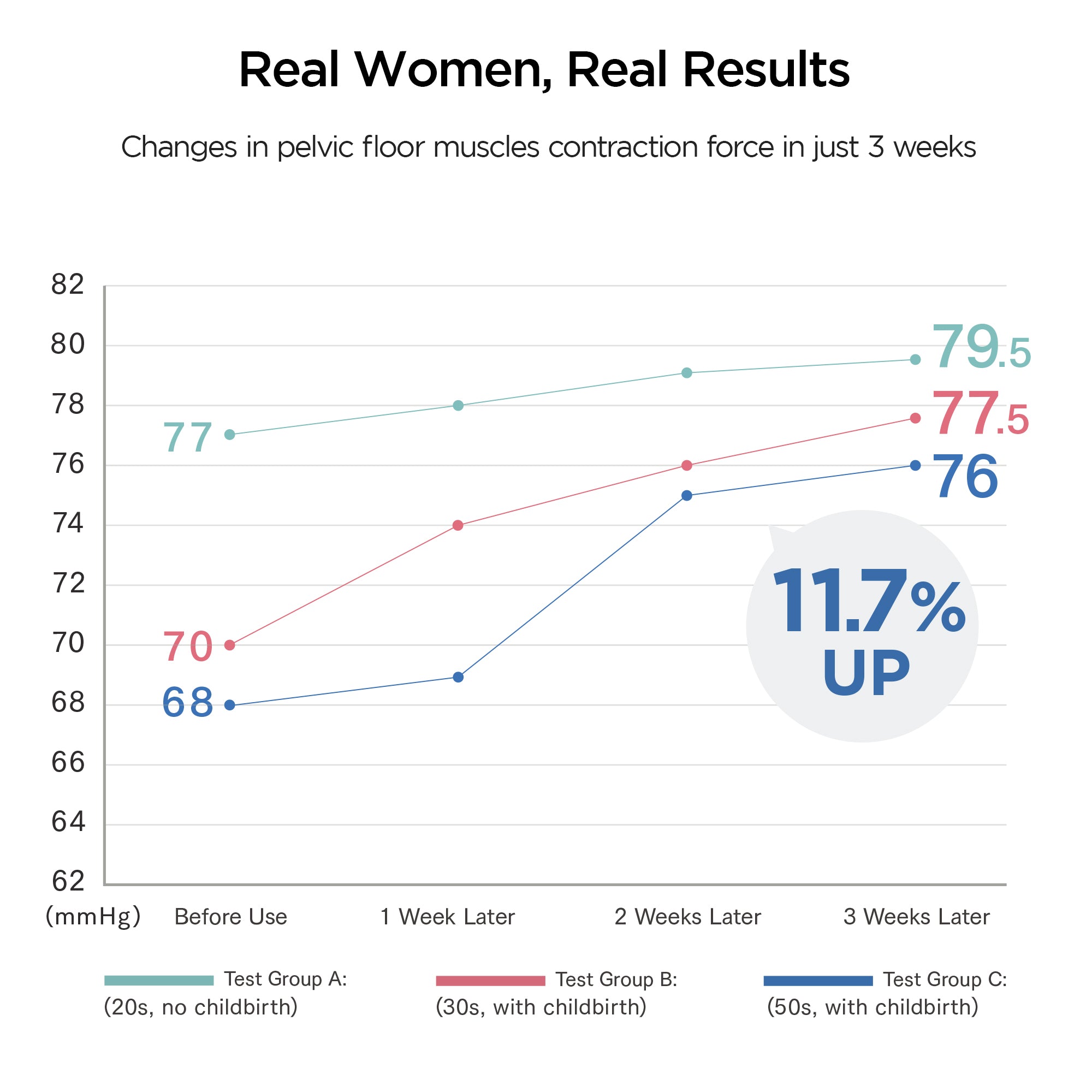
94% users report improvement in 6 weeks

Science-Backed Pelvic Floor Training
Electrical Muscle Stimulation (EMS) has been used in physical therapy and sports medicine for decades. Aqua Qutto applies this proven technology by delivering gentle, controlled electrical pulses at 10–60 Hz to trigger automatic contractions and relaxations in the pelvic floor muscles.
This helps strengthen weak muscles and relax overactive ones, supporting bladder, bowel, and sexual function.

Why Choose Aqua Qutto Over Kegels?
❌ Kegels sound simple — but about 1 in 4 women struggles to do them correctly.
❌ Many people accidentally engage surrounding muscles instead of the pelvic floor.
Aqua Qutto Offers:
✅ Engage the correct muscles automatically
✅ 15-minute quick, effortless sessions
✅ Easy, non-invasive use
✅ Safe, waterproof design
✅ Adjustable EMS intensity
✅ Convenient at-home therapy


*Based on an in-house study conducted from August 9th to August 30th, 2024
among women aged 20–50 (n = 19).
*Results may vary by individual.

How to Use

Step 1: Position the Device
Lay the Aqua Qutto on a flat, firm surface.
👉 Got a bathtub? You can also enjoy it while taking a bath.

Step 2: Add Water
Splash or spray some water on the surface of the device.
*Ensure that the charging port has been properly sealed.

Step 3: Align & Activate
Sit with the control panel facing forward, ensuring your thighs hold it snugly and your skin touches both pads. Hold the Power button for 2 seconds to start at EMS level 1, then adjust intensity with “+” or “–”.
*Please ensure sufficient skin contact with the device.
Hear from the Pelvic Floor Expert
"The pelvic floor muscles are often overlooked as they’re difficult to see and feel, yet they play a vital role in every woman’s health. I genuinely hope more people can experience the benefits of the AQUA QUTTO, because it's designed to help women regain pelvic strength, especially after childbirth."
- Dr. Sayaka Urushikawa, Physical Therapist, Holistic Care
*References:
1. Enoka, R.M. & Duchateau, J. (2015). “Involuntary versus voluntary activation of muscle: insights from electrical stimulation.” Journal of Applied Physiology.
2. Maffiuletti, N.A. (2010). “Physiological and methodological considerations for the use of neuromuscular electrical stimulation.” European Journal of Applied Physiology.
3. Silantyeva et al. (2020). Electromyographic Evaluation of the Pelvic Muscles Activity after Electrical Stimulation (Sexual Medicine Journal).
4. Alves et al. (2022). Systematic review of pelvic floor electrical stimulation. International Journal of Environmental Research and Public Health.
FAQs
Is this safe postpartum?
In most cases, yes—after receiving clearance from a healthcare provider. The pelvic floor often weakens after pregnancy and childbirth, and gentle EMS stimulation can support recovery by helping the muscles re-engage. Most women can start pelvic floor training after their doctor confirms the pelvic area has healed.
Is this just Kegels?
No. Kegels rely on proper technique and muscle awareness, which are difficult to master. Aqua Qutto provides controlled EMS stimulation to improve muscle engagement, strength and coordination.
How fast will I see results?
Results vary, but many users report noticeable improvements in pelvic strength, control and comfort within 3–6 weeks of consistent use. Like any form of muscle training, progress depends on frequency, muscle condition and individual physiology.
Who should not use this device?
Do not use if you fall into the following categories. Even if you do not meet the criteria below, consult a physician if you are unsure about using the product or if you are undergoing treatment.
- Individuals with allergic tendencies, especially those with sensitive skin
- Pregnant, breastfeeding, or menstruating individuals
- Individuals with autoimmune diseases
- Individuals with endometriosis or uterine fibroids
- Individuals who have experienced skin issues or impairments with silicone products
- Individuals with acute illnesses or infectious diseases
- Individuals with malignant tumors
- Individuals with infectious diseases
- Individuals with tuberculosis
- Individuals with internal organ diseases
- Individuals with heart conditions, blood clots
- Individuals with poor health
- Individuals with metal implants, such as bolt,s inside the body
- Individuals with conditions or treatment history in the area of use
- Individuals who have consumed alcohol or are severely fatigued
- Individuals taking medication that may cause drowsiness
- Individuals taking medication (anticoagulants, etc., drugs containing components that prevent blood clotting)
- Individuals who are prohibited from using massage or EMS devices by a physician
- Individuals undergoing treatment by a physician
- Individuals with a fever (above 38°C)


