
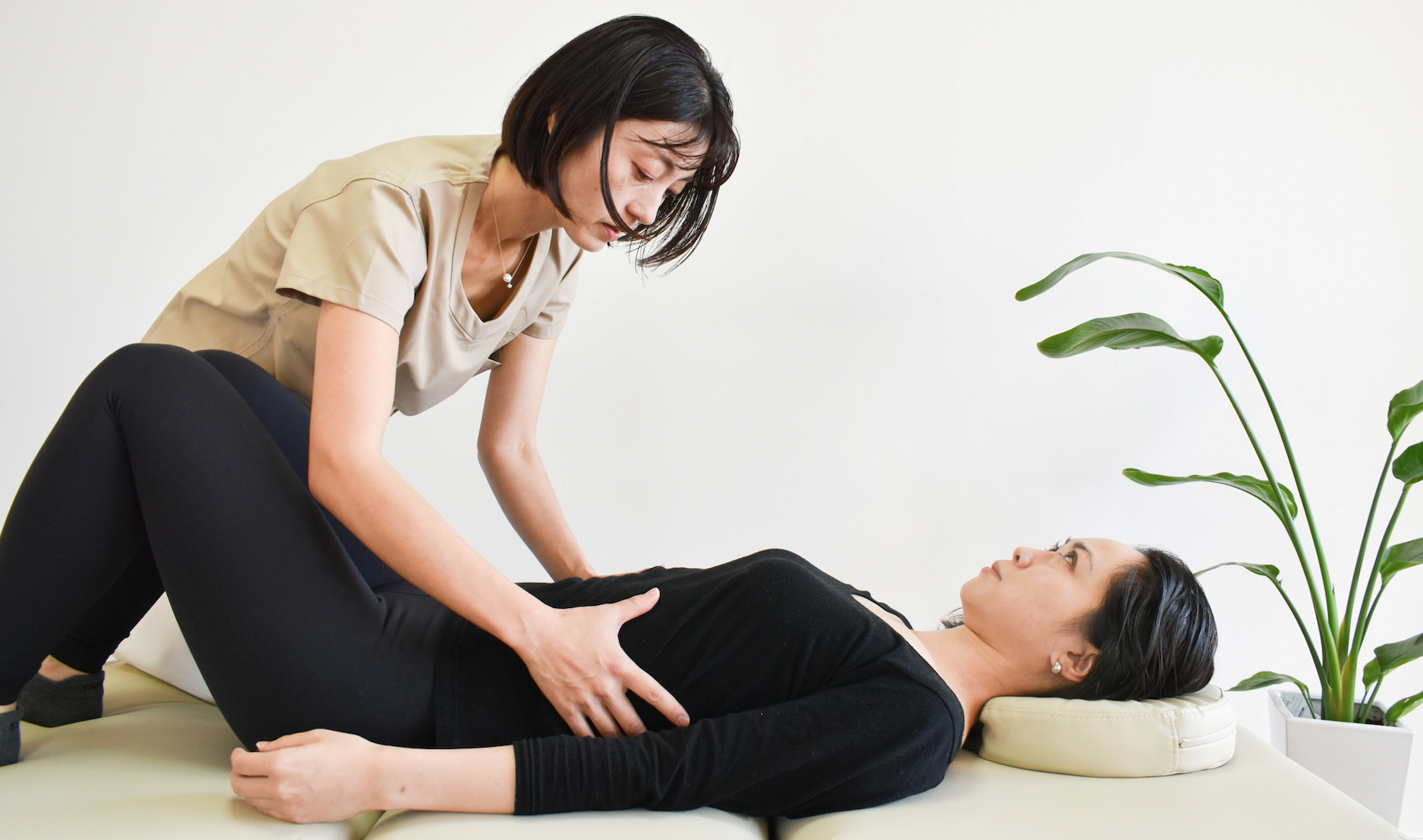
Your Pelvic Floor Matters More Than You Think
The pelvic floor is a group of muscles, ligaments, and connective tissues that form a supportive hammock at the base of the pelvis. These muscles help support important organs such as the bladder, bowel, uterus, and prostate, while also playing a key role in bladder control, bowel function, core stability, and sexual wellness.
Despite its importance, pelvic floor health is often overlooked until symptoms begin to interfere with daily life. From occasional bladder leaks to pelvic discomfort and feelings of heaviness, pelvic floor dysfunction can affect both women and men at any age.
The good news? Many pelvic floor issues can be improved through targeted exercises, lifestyle adjustments, professional therapy, and supportive wellness technologies.
What Is Pelvic Floor Dysfunction?
Pelvic floor dysfunction occurs when the pelvic floor muscles are unable to function properly. In some cases, the muscles become weak and fail to provide adequate support. In others, they become overly tight and have difficulty relaxing and coordinating correctly.
Common Symptoms of Pelvic Floor Dysfunction
Pelvic floor dysfunction can present differently from person to person. Some of the most common symptoms include:
- Urinary leakage when coughing, laughing, sneezing, or exercising
- Frequent or urgent need to urinate
- Difficulty fully emptying the bladder
- Constipation or difficulty passing stool
- Feeling pressure, heaviness, or fullness in the pelvic area
- Lower back or pelvic pain
- Pain during intimacy
- Reduced core stability and postural support
- Decreased sexual sensation or satisfaction
These symptoms may develop gradually over time, making them easy to dismiss as a normal part of aging, childbirth, or a busy lifestyle. However, persistent symptoms should not be ignored.

What Causes Pelvic Floor Dysfunction?
Several factors may contribute to weakened or impaired pelvic floor function, including:
Pregnancy and Childbirth
Pregnancy places additional weight and pressure on the pelvic floor, while vaginal delivery can stretch or strain these muscles. This is one of the most common causes of pelvic floor weakness in women.
Aging
Like other muscles throughout the body, pelvic floor muscles naturally lose strength and elasticity with age.
Chronic Straining
Frequent constipation, heavy lifting, or repeated straining during bowel movements can place excessive stress on the pelvic floor over time.
Pelvic Surgery or Injury
Previous pelvic surgeries, trauma, or injuries may affect the muscles, connective tissues, or nerves involved in pelvic floor function.
Sedentary Lifestyle and Poor Posture
Long hours of sitting, poor posture, and insufficient core engagement may contribute to pelvic floor weakness and reduced muscular coordination.
Why Pelvic Floor Strength Matters
A healthy pelvic floor supports more than bladder control.
Strong, well-functioning pelvic floor muscles help:
- Support pelvic organs
- Improve bladder and bowel control
- Contribute to core stability and posture
- Support sexual health and sensation
- Enhance overall movement and physical function

How to Support Pelvic Floor Health
1. Practice Pelvic Floor Exercises
Targeted pelvic floor exercises can help strengthen weak muscles and improve coordination. Consistency is key, and improvements often occur gradually over time.
2. Maintain Healthy Lifestyle Habits
Supporting your pelvic floor can also involve:
- Staying physically active
- Maintaining good posture
- Managing constipation through hydration and balanced nutrition
- Avoiding excessive straining during bowel movements
- Practicing proper breathing techniques during exercise
Small daily habits can have a significant impact on long-term pelvic health.
3. Consider EMS-Assisted Pelvic Floor Training
For individuals seeking a convenient way to complement their pelvic floor wellness routine, EMS (Electrical Muscle Stimulation) technology may help activate and engage the pelvic floor muscles during training sessions.
Support Your Pelvic Floor at Home with the Aqua Qutto EMS Pelvic Floor Trainer
The MYTREX Aqua Qutto EMS Pelvic Floor Trainer is designed to help users incorporate pelvic floor training into their self-care routine with just 15 minutes per session.
Using EMS technology, Aqua Qutto delivers gentle electrical stimulation designed to activate pelvic floor muscles that may otherwise be difficult to engage through voluntary contractions alone.

Key Benefits
- Supports involuntary pelvic floor muscle activation
- Convenient, enjoyable 15-minute sessions
- Adjustable EMS pulse intensity across 10 levels
- Suitable for integrating into a regular wellness routine
- Helps users build consistency with effortless pelvic floor training
Whether you're recovering after childbirth, seeking additional support as you age, or simply looking to strengthen an often-overlooked muscle group, Aqua Qutto offers an easier way to prioritize pelvic floor wellness from the comfort of home.
Note: Aqua Qutto is intended to support general pelvic floor muscle training and wellness. It is not intended to diagnose, treat, cure, or prevent any medical condition.
When Should You See a Pelvic Floor Specialist?
While at-home exercises and EMS-assisted training may support pelvic floor health, some symptoms require professional evaluation.
Consider speaking with a healthcare provider or pelvic floor physical therapist if you experience:
- Persistent urinary or bowel leakage
- Chronic pelvic pain
- Significant pelvic pressure or heaviness
- Pain during intimacy
- Difficulty emptying the bladder or bowels
- Symptoms that interfere with daily activities
Pelvic floor physical therapy is often considered one of the most effective non-surgical treatments for pelvic floor dysfunction. A trained specialist can evaluate your specific condition and create a personalized treatment plan that may include exercises, manual therapy, biofeedback, and lifestyle recommendations.
Take the First Step Toward Better Pelvic Health
Pelvic floor dysfunction is common, but it doesn't have to be accepted as a normal part of life. Understanding the signs, identifying potential causes, and taking proactive steps to strengthen and support your pelvic floor can help improve comfort, confidence, and quality of life.
Whether you begin with lifestyle changes, guided pelvic floor exercises, professional therapy, or supportive solutions like the MYTREX Aqua Qutto EMS Pelvic Floor Trainer, investing in pelvic health today can benefit your overall wellness for years to come.


7 Pro-Level Tips for Effective Running Recovery
Travel, Constipation, and Bladder Leaks: Support Your Pelvic Floor on the Go